Concrete Cutting vs Concrete Removal: Understanding the Difference
People seeking concrete cutting often need precise modifications or openings, and local service providers can efficiently handle these tasks compared to concrete removal.
Understanding the difference between concrete cutting and concrete removal is essential for property owners planning renovations, repairs, or new construction projects. Whether you're considering altering an existing structure or creating new openings, knowing which method suits your needs can save time and ensure the job is done correctly. Property owners in the area often explore this topic to make informed decisions about their projects, ensuring they choose the right services for their specific requirements. Local contractors specializing in concrete cutting can provide the precise solutions needed to handle these tasks efficiently and accurately.
As you read further, you'll discover how concrete cutting services offered by experienced local providers play a crucial role in projects that require precision and minimal disruption. While concrete removal involves taking out entire sections of concrete, concrete cutting focuses on making controlled, clean cuts to facilitate modifications or repairs. Understanding these differences helps property owners determine the appropriate approach and connect with the right professionals to get the job done effectively. Keep exploring to learn how local service providers can support your project with expertise tailored to your needs.
- Concrete cutting services are needed when precise, clean cuts are required for installing utilities or creating openings in existing structures, and local contractors use specialized equipment to ensure accuracy.
- Concrete removal services come into play when entire sections of concrete need to be demolished or replaced, with service providers employing heavy-duty tools for efficient removal.
- Understanding the difference helps homeowners and builders determine whether they need cutting to modify existing concrete or removal for complete replacement, with local pros guiding the best approach.
- Concrete cutting is often used for making controlled cuts without damaging surrounding material, while concrete removal involves breaking and hauling away large amounts of material, which local contractors handle with safety and efficiency.
- Choosing the right service depends on the scope of work; local service providers can assess the project to recommend whether concrete cutting or removal is appropriate.
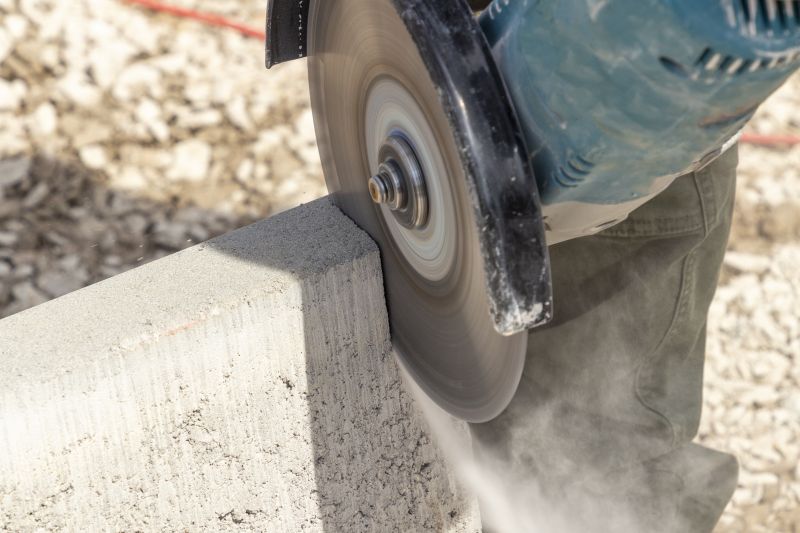
When people search for concrete cutting vs concrete removal: understanding the difference, they are often trying to clarify which process is suitable for their specific project. Homeowners typically encounter this question when planning renovations, additions, or repairs that involve existing concrete structures. Whether they need to create new openings for doors and windows, install utilities, or remove damaged sections, understanding the distinction helps in choosing the right service. Clear knowledge about these processes ensures that property owners can communicate effectively with local contractors and get the appropriate work done efficiently.
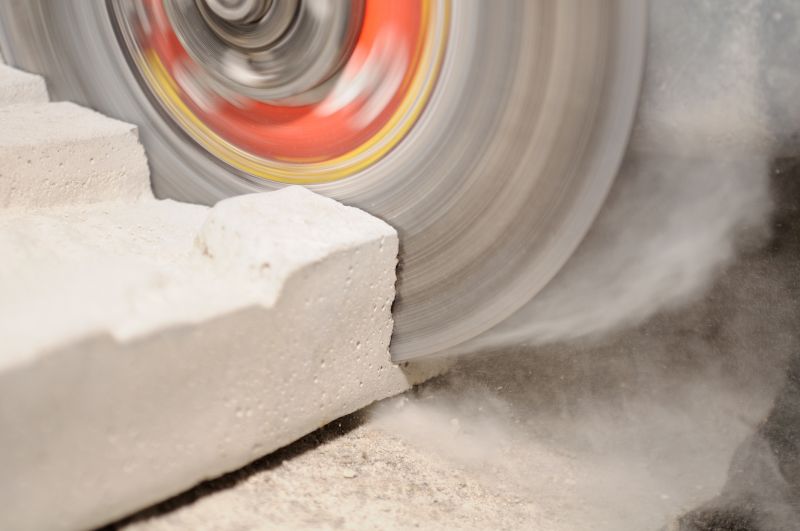
Concrete cutting involves using specialized tools to make precise cuts in existing concrete surfaces without removing large sections. This process is commonly used for creating openings, trenches, or channels in driveways, patios, or basement floors. It is a controlled method that preserves the surrounding material, making it ideal for projects that require accuracy and minimal disruption. On the other hand, concrete removal is a more extensive process that involves breaking apart and hauling away large sections of concrete. This is necessary when the existing slab or structure is severely damaged, outdated, or no longer serves the intended purpose. Recognizing the difference helps property owners plan appropriately and select the right type of service for their project's scope.
The types of properties that typically come up in discussions of concrete cutting vs concrete removal include residential homes, commercial buildings, and industrial facilities. In residential settings, concrete cutting might be needed for installing new basement windows or adding a driveway extension. Commercial properties often require precise cuts for utility access or interior renovations, while industrial sites may involve removing large concrete sections for equipment installation or structural modifications. Each property type presents unique challenges and considerations, making it important to work with experienced local contractors who understand the specific needs of the property and project.
Understanding the distinction between concrete cutting and concrete removal helps homeowners connect with the right local service providers for their projects. Concrete cutting pros can provide precise, minimally invasive work for modifications and additions, while concrete removal specialists handle larger demolition tasks when old or damaged concrete needs to be taken out. By choosing the appropriate service, property owners can ensure their project proceeds smoothly and meets their goals. Local contractors with expertise in these areas can evaluate the scope of work and recommend the best approach, making the process clearer and more manageable for homeowners planning their next project.
Concrete Demolition - involves breaking down existing concrete structures, requiring precise cutting and removal techniques similar to those used in concrete removal projects.
Concrete Sawing and Drilling - utilizes specialized tools for creating openings or cutting through concrete, closely related to the skills needed for concrete cutting services.
Foundation Repair - often involves removing or cutting existing concrete to access or replace foundation elements, relying on similar planning and tool use as concrete removal.
Sidewalk and Driveway Replacement - requires cutting and removing old concrete to prepare for new installations, making use of comparable techniques and equipment.
Concrete Pier and Slab Work - involves cutting and removing sections of concrete for new construction or modifications, aligning with concrete cutting and removal skills.
Retrofitting and Structural Modifications - includes cutting through concrete for reinforcement or structural changes, leveraging similar expertise as concrete cutting services.
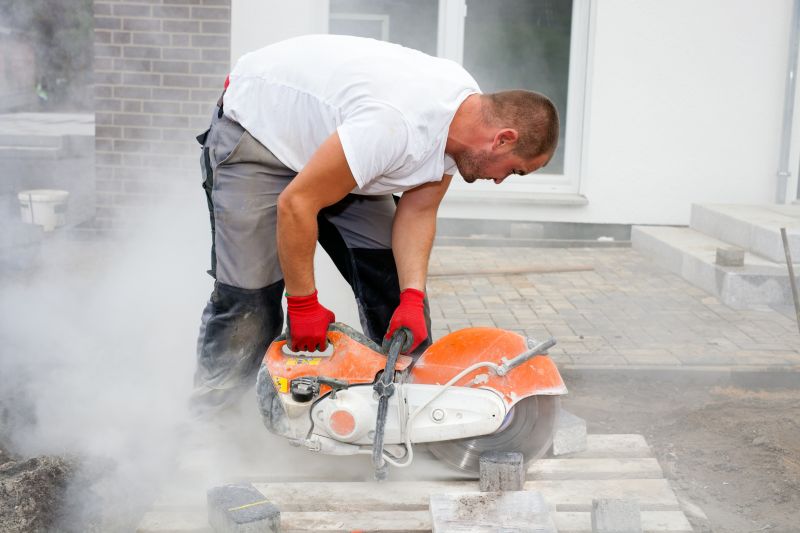
When comparing service providers for concrete cutting services, it is important to consider their experience with similar projects. Homeowners should inquire about the types of concrete cutting tasks the contractors have handled in the past, such as cutting through slabs, walls, or other structures. An experienced contractor will have a clear understanding of the appropriate tools and techniques needed for different types of concrete and project requirements. This background can help ensure the chosen service provider is well-equipped to handle the specifics of a project involving concrete cutting vs concrete removal, reducing the risk of unexpected issues or subpar results.
Clear, written expectations are crucial when evaluating local contractors for concrete cutting work. Homeowners should seek detailed proposals that outline the scope of work, materials, and methods to be used, as well as any potential limitations or considerations. Having these expectations documented helps prevent misunderstandings and provides a basis for comparing different service providers. It also encourages contractors to communicate their approach openly, making it easier to determine if their methods align with the project’s needs, particularly when distinguishing between concrete cutting and removal tasks.
Reputable references and strong communication are key indicators of a reliable service provider. Homeowners are encouraged to ask for references from previous clients who had similar work done, as this can provide insight into the contractor’s professionalism, quality of work, and ability to meet deadlines. Good communication throughout the process ensures that questions are answered promptly and that any project changes or concerns are addressed effectively. When considering concrete cutting services, choosing a contractor with proven experience, transparent expectations, and clear communication can help ensure the project proceeds smoothly and meets the homeowner’s expectations.
Property owners often search for concrete cutting vs concrete removal: understanding the difference when they are planning practical projects around their homes and businesses. Local pros provide Concrete Cutting services for everyday jobs and straightforward project options.
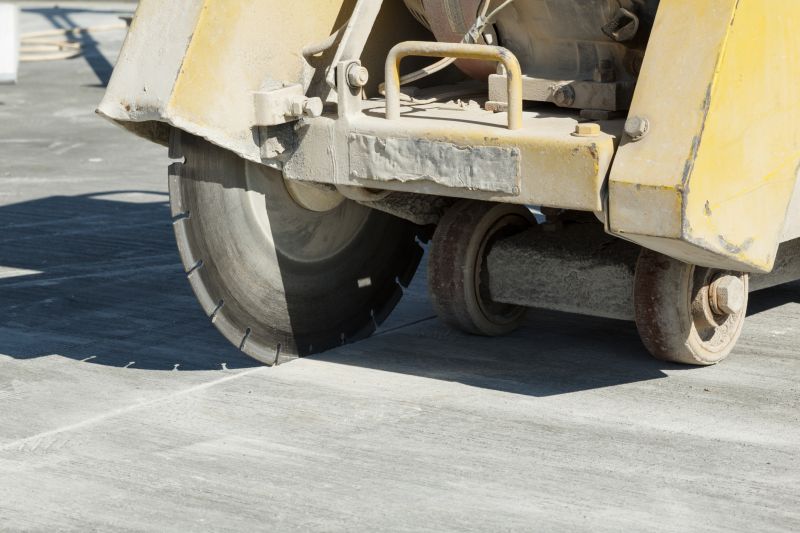
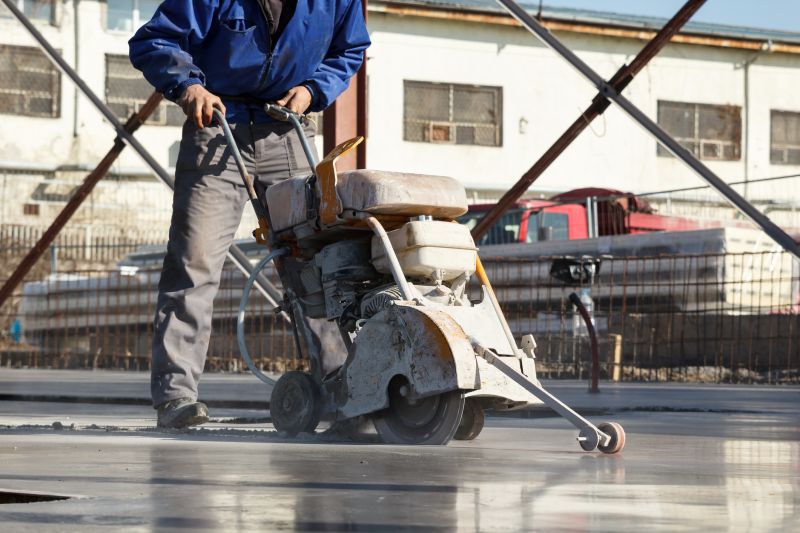
Understanding the difference between concrete cutting and concrete removal is essential for property owners planning renovations or repairs. In everyday project situations, concrete cutting is often used when only a specific section of a concrete slab or structure needs to be altered, such as creating openings for doors, windows, or utility lines. This process involves precisely slicing through concrete without removing large sections, making it suitable for modifications that require minimal disruption. Conversely, concrete removal involves extracting entire portions of concrete, typically when a larger area needs to be replaced or when the existing structure is compromised and must be taken out entirely.
Property owners in the local area seeking to address these needs can benefit from consulting with experienced concrete service providers. Local contractors specializing in concrete cutting can handle precise modifications with accuracy, ensuring the integrity of surrounding structures remains intact. For larger removal projects, these service providers can efficiently manage the safe and effective extraction of concrete, preparing the site for new construction or repairs. Understanding these differences helps property owners choose the right type of service and connect with the appropriate local experts for their specific project requirements.
What is the main difference between concrete cutting and concrete removal? Concrete cutting involves making precise cuts into existing concrete, often to create openings or control cracking, while concrete removal involves breaking up and taking out large sections of concrete entirely. Local contractors can perform both services depending on project needs.
When should I consider concrete cutting instead of removal? Concrete cutting is typically used when only a section of concrete needs modification, such as installing utilities or creating access points, whereas removal is necessary when the concrete is damaged beyond repair or needs to be replaced.
Can concrete cutting services handle complex or precise cuts? Yes, local service providers use specialized equipment to make accurate, clean cuts in concrete, making them suitable for detailed or intricate projects that require precision.
Is concrete removal more disruptive than cutting? Generally, concrete removal can be more disruptive because it involves breaking up and hauling away large amounts of material, while cutting is usually quicker and less invasive, especially for small or targeted modifications.
How do local contractors determine whether to cut or remove concrete? They assess the condition, location, and purpose of the project to decide whether concrete cutting or removal is appropriate, ensuring the chosen method aligns with the project's goals and site conditions.
Identifying Cutting Needs - Property owners can determine when precise cuts are needed for openings or modifications in existing concrete structures.
Planning for Removal - When large sections of concrete need to be taken out, understanding removal options helps in preparing the site for new construction or repairs.
Choosing the Right Service - Knowing the difference assists property owners in selecting the appropriate local contractors for either cutting or removal projects.
Ensuring Minimal Disruption - Properly applying concrete cutting techniques can reduce damage to surrounding areas during renovation or remodeling efforts.
If you are thinking about concrete cutting vs concrete removal: understanding the difference for a property, this guide is meant to help you understand this topic, the typical project types, and how different options might fit your plans.
When you are ready, you can use the quote form on this page to share a few details about your project. From there, local pros can review the basics and follow up with options that match what you have in mind.